
Addressing Issues with the Pelvic Floor

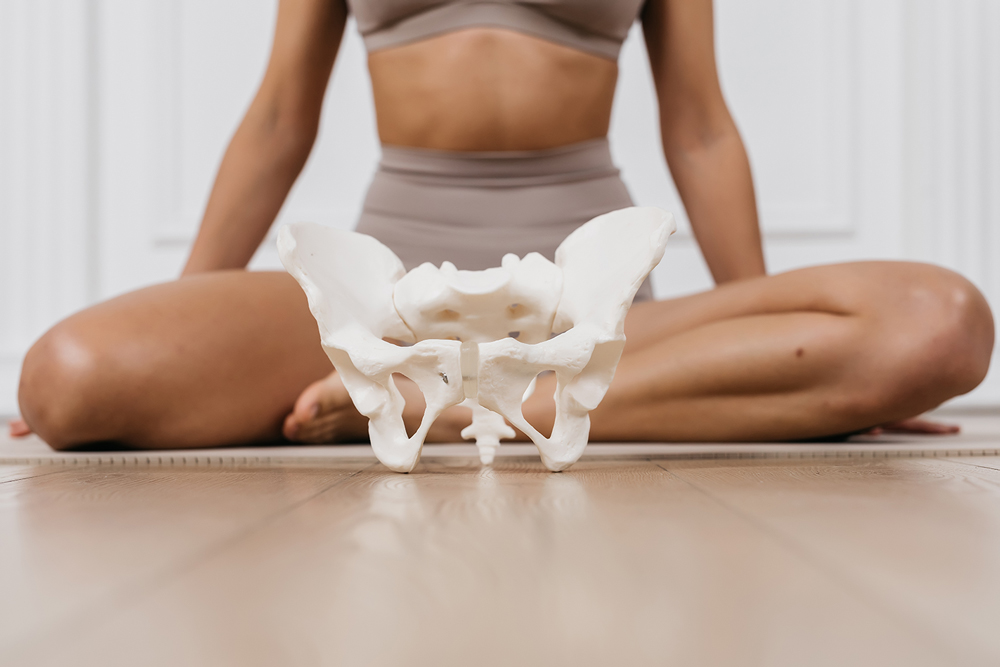
Understanding the fascia and how to support it is crucial for a life full of mobility, health, pleasure, and joy. Everything comes down to an ease of flow.
Areas of tension and restriction in the fascia are often the culprits that create challenges in the body, wherever they are located.. Also, there are cause sites that live at a distance from the pain or dysfunction we experience.
It's important to view the alignment of the entire body to bring balance and create an environment that can thrive.
How Posture Affects Your Pelvic Floor
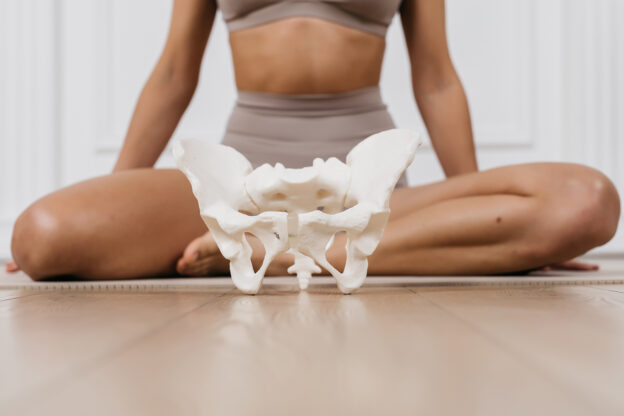
When addressing the pelvic floor, an important thing to consider is how you sit and stand. As we are dominant on one side, we often shift our weight onto the less dominant leg when standing or shift our weight onto that sit bone when seated.
This is an unconscious action that develops in order to keep the dominant side free for action. If you look at all the structures inside the pelvis, there is a lot going on.
You have the organs of reproduction and elimination sharing space with the hip joints. If the joints themselves become displaced from an imbalanced posture, there will be a squeezing of the internal organs, blocking them from receiving optimal amounts of blood and oxygen, causing scarring and adhesions to develop.
The Monthly Challenge for Women
This can create a ton of issues for both men and women.
For women this area tends to create an enormous amount of pain and frustration. If the pelvis isn't balanced (and I have yet to see anyone with perfect alignment), then each month as we shed the uterine lining, there will be possible pains and complications.
When perfectly aligned, gravity assists the removal of the wall; however, if there is a twisting inside the pelvis, the body must work extra hard to push out the tissue, causing cramping. Depending on the alignment, for some, not all tissue ends up leaving, causing the area to become backlogged.
For some, this can contribute to a backlog of tension and discomfort in the area.
Understanding Organ Prolapse
A prolapse of the organs inside the pelvis can also occur from the lack of space within the body. When the pelvis twists from incorrect alignment of the legs and feet, there is also a pulling down of the ribcage into the core.
This happens because the psoas muscle, the deepest muscle that resides on both sides of the lumbar vertebrae (the vertebrae in the low back), connects the hips and the diaphragm. It is the only muscle in the body connecting the lower and upper body together.
This twisting adds immense pressure to the space in the pelvis, from above and below, creating an area that simply can't support the contents inside, sometimes creating a feeling of pressure or discomfort in the area. For women experiencing this, there can be a sense of disconnection from the body, along with frustration and emotional heaviness.
The Impact on Intimacy and Relationships
Restriction and tension can also develop in this area, which some describe as affecting comfort during intimacy. This can lead to additional challenges in a relationship as what should be a bonding and pleasurable experience can lead to isolation and feelings of guilt and shame.
In addition, there can be a social stigma around a woman wanting to receive pleasure, causing a contraction of the area and a postural pattern that continues to become restricted as it stores negative emotions, which add up in the layers of fascia, adding insult to injury.
And then, there is sexual abuse and rape, far more common than not. The lasting devastation for a life of connection and intimacy can throw anyone into a state of lifelong depression and fear.
The Power of Community in Healing
When life becomes a challenge, having a community that understands and supports your needs is crucial to overall healing. Knowing you are understood and not alone provides a faith and trust that healing can take place.
As women, we often don't feel we deserve all the fruits that life has to offer, but we do. If you are struggling, there is hope and solutions available.
Take Action Today
If you're looking to feel more connected to your body, we invite you to join our community and explore tools that support mobility, body awareness, and overall well-being.
Check out our Pelvic Floor Suppory Virtual Intensive.
If you’re looking to strengthen your pelvic floor, our Supporting Strength & Flexibility in the Pelvis Virtual Intensive is the perfect next step.
New here?
Check out our Sampler Program for $9.
Breathe and Believe,
Deanna
Follow us on our social channels below to learn more about Block Therapy and see some amazing transformations!

Responses